

Introduction
Calcium Chloride is one of the most widely used industrial chemicals due to its versatility and unique chemical properties. Known for its excellent moisture-absorbing ability, high solubility, and effectiveness in extreme conditions, calcium chloride plays a critical role in industries such as construction, agriculture, food processing, water treatment, and manufacturing.
Because of its efficiency and cost-effectiveness, calcium chloride has become an essential compound in modern industrial processes and infrastructure development.
What is Calcium Chloride?
Calcium chloride (CaCl₂) is an inorganic salt composed of calcium and chlorine. It appears as a white crystalline solid that is highly soluble in water.
Due to its chemical nature, calcium chloride readily absorbs moisture from the surrounding environment, making it extremely useful in applications that require moisture control or humidity management.
Chemical and Physical Properties of Calcium Chloride
Understanding the properties of calcium chloride helps explain why it is so widely used across industries.
Hygroscopic and Deliquescent:
Calcium chloride is highly hygroscopic, meaning it absorbs moisture from the air. It can even dissolve in the absorbed water, forming a liquid brine.
High Solubility
Calcium chloride dissolves easily in water and produces heat during dissolution. This exothermic reaction is useful in various industrial processes.
Freezing Point Depression
Calcium chloride lowers the freezing point of water significantly, allowing it to melt ice and snow efficiently even at very low temperatures.
High Density Solutions
Solutions of calcium chloride can reach high densities, making them useful in drilling fluids and industrial brines.
Chemical Stability
The compound remains stable in many industrial environments, allowing it to be used in construction materials, coatings, and chemical processes.
Forms of Calcium Chloride
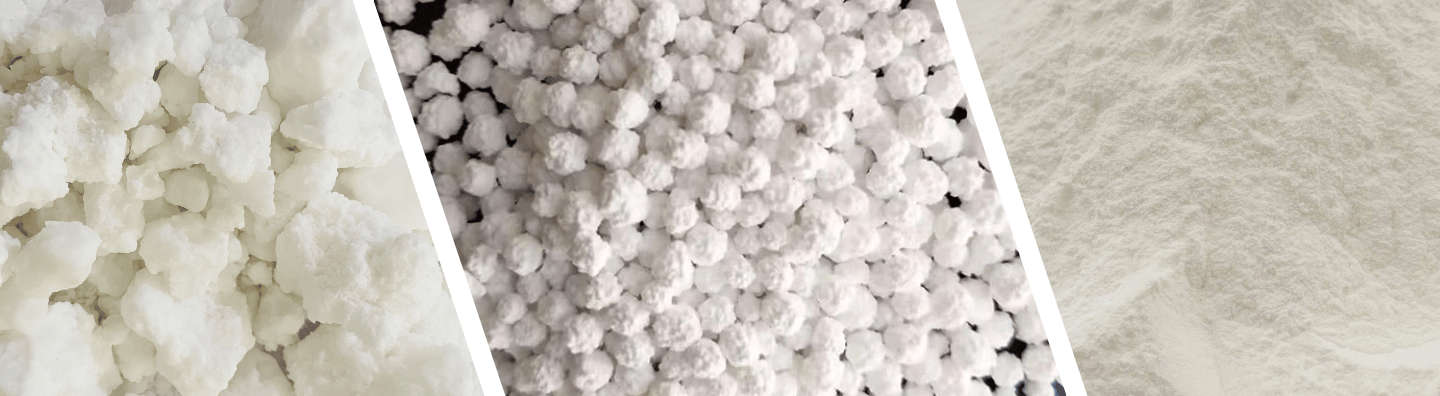
Calcium chloride is available in several physical forms depending on its application and handling requirements:
Lumps
Granules
Powder
Liquid solutions
Each form offers advantages for specific industrial uses such as quick dissolution, controlled absorption, or easy handling.
Industrial Applications of Calcium Chloride
Construction Industry
Calcium chloride is widely used as a concrete accelerator. It speeds up the hydration process in cement, allowing concrete to set faster and gain early strength.
Benefits include:
Faster curing time
Improved performance in cold weather
Increased early strength of concrete
It is commonly used in infrastructure projects, roads, and building construction.
Paint and Coatings Industry
In the paint and coatings industry, calcium chloride helps control moisture during manufacturing and storage. Moisture contamination can affect paint formulation, so calcium chloride is often used to maintain dry environments.
This helps prevent:
Moisture-related defects
Clumping of raw materials
Instability in coating formulations
De-icing and Snow Melting
One of the most common uses of calcium chloride is ice and snow melting. Unlike common salts such as Sodium Chloride, Calcium Chloride works effectively at much lower temperatures.
Applications include:
Highways and roads
Airport runways
Industrial areas
Parking lots and sidewalks
Desiccants and Moisture Control
Calcium chloride is widely used as a desiccant because of its strong moisture absorption capacity.
It is commonly used in:
Moisture absorber products
Shipping container protection
Industrial storage facilities
Packaging for electronics and machinery
Agriculture
Calcium chloride solutions are used as foliar sprays to supply calcium to crops.
Benefits include:
Preventing calcium deficiency in plants
Improving fruit firmness
Enhancing crop yield and quality
Extending shelf life of fruits such as apples
Food Processing Industry
Food-grade calcium chloride is used as a food additive for various purposes including:
Firming agent in canned vegetables
Pickling solutions
Electrolyte beverages
It helps maintain texture and stability in many processed foods.
Oil and Gas Industry
Calcium chloride brines are commonly used in oil and gas drilling operations.
They are used in:
Drilling fluids
Completion fluids
Well stabilization
These brines help control formation pressure and improve drilling efficiency.
Dust Control
Calcium chloride is widely used for dust suppression on unpaved roads, mining areas, and construction sites.
Because it absorbs moisture from the air, it keeps road surfaces damp and prevents dust from becoming airborne.
Refrigeration and Cooling Systems
Calcium chloride brine solutions are sometimes used in industrial refrigeration systems because they remain liquid at very low temperatures and efficiently transfer heat.
Swimming Pools and Water Treatment
Calcium chloride is used in swimming pools to increase calcium hardness in the water. Maintaining proper calcium levels helps protect pool surfaces and prevents corrosion in pool equipment.
Manufacturing Process of Calcium Chloride
At Kamal Industries we manufacture calcium chloride is through the reaction of Hydrochloric Acid with Calcium Carbonate.
Chemical Reaction
CaCO₃ + 2HCl → CaCl₂ + CO₂ + H₂O
Process Overview
Reaction: Crushed limestone reacts with hydrochloric acid in a reactor, producing calcium chloride solution and releasing carbon dioxide gas.
Filtration: The solution is filtered to remove impurities and unreacted solids.
Concentration: The purified solution is evaporated to increase calcium chloride concentration.
Final Product: The concentrated solution is processed into flakes, granules, powder, or liquid calcium chloride depending on the application.
Why Industries Prefer Calcium Chloride
Calcium chloride is widely preferred in industrial applications due to several advantages:
Excellent moisture absorption capability
Effective performance in low temperatures
High solubility and rapid dissolution
Cost-effective industrial chemical
Versatile applications across industries
These characteristics make it a reliable chemical for both large-scale industrial processes and specialized applications.
Conclusion
Calcium chloride is a highly versatile industrial compound that plays a critical role across many industries. From accelerating concrete in construction and controlling moisture in manufacturing to improving agricultural productivity and melting ice on roads, its applications are extensive.
With its unique chemical properties and broad industrial use, calcium chloride continues to be an essential material for infrastructure, manufacturing, agriculture, and environmental management.
Kamal Industries supplies high-quality calcium chloride for various industrial applications, ensuring consistent quality and reliable performance for businesses across different sectors.
Looking for a reliable calcium chloride supplier?
Contact Kamal Industries to explore high-quality calcium chloride solutions tailored to your industry requirements.
Kamal Industries
Office Address: E-446 C, Matsya Industrial Area, Alwar, Rajasthan 301030.
Factory Address:
E-446 C&D, Matsya Industrial Area, Alwar, Rajasthan 301030.
G-288, Matsya Industrial Area, Alwar, Rajasthan 301030.
© 2026. All rights reserved.
Email: kamalindalwar@gmail.com
Contact No: +919351773848