For sales and product enquiries, contact: kamalindalwar@gmail.com | +91 9351773848

Pyrophyllite China Clay Powder: Properties, Applications & Industrial Advantages Explained
Discover Pyrophyllite China Clay Powder, a smart alternative to talc & kaolin. Improve performance, reduce costs, and optimize industrial formulations.
4/15/20263 min read
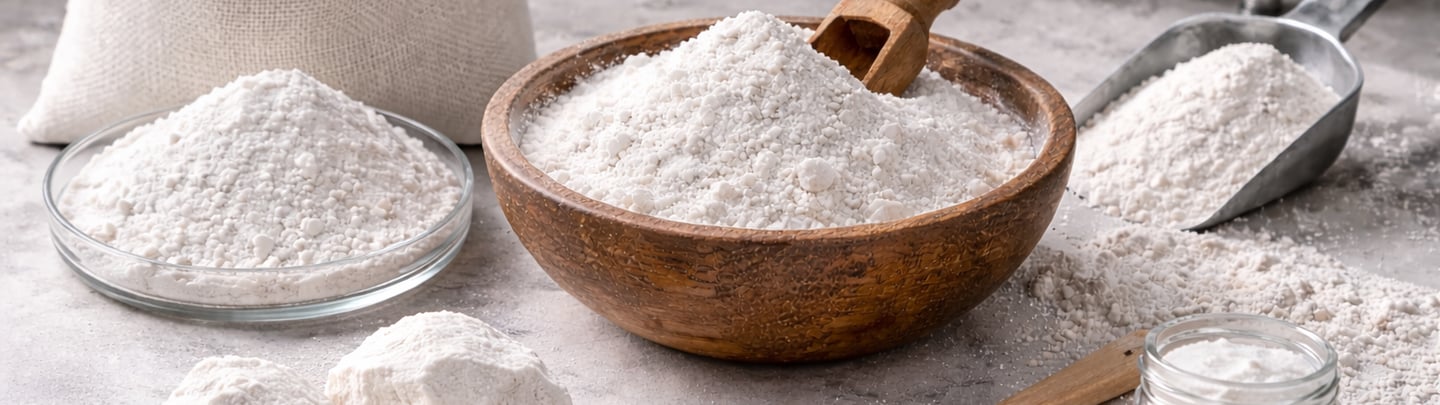
As industries focus on cost efficiency and performance optimization, the demand for multi-functional minerals has increased significantly. Pyrophyllite China Clay Powder has emerged as a versatile solution, offering a balance of thermal stability, chemical inertness, and functional performance—making it a strong alternative to traditional fillers like kaolin and talc.
Mineralogy & Composition
Pyrophyllite is a naturally occurring hydrous aluminum silicate, with the chemical formula:
Al₂Si₄O₁₀(OH)₂
Crystal Structure & Morphology
Belongs to the phyllosilicate group (layered silicates)
Features a 2:1 layer structure (two silica tetrahedral sheets sandwiching one alumina octahedral sheet)
Exhibits a platy or lamellar particle shape, similar to talc
Why This Matters
This structure directly influences:
Barrier properties (important in paints & coatings)
Lubricity and smoothness (important in plastics & rubber)
Dispersion behavior (critical for processing efficiency)
Key Functional Properties
Thermal Stability: Stable at high temperatures; forms mullite, improving strength
Chemical Inertness: Resistant to acids and alkalis
Platy Structure: Enhances barrier properties and surface finish
Low Thermal Expansion: Improves dimensional stability
Natural Lubricity: Aids processing in plastics and rubber
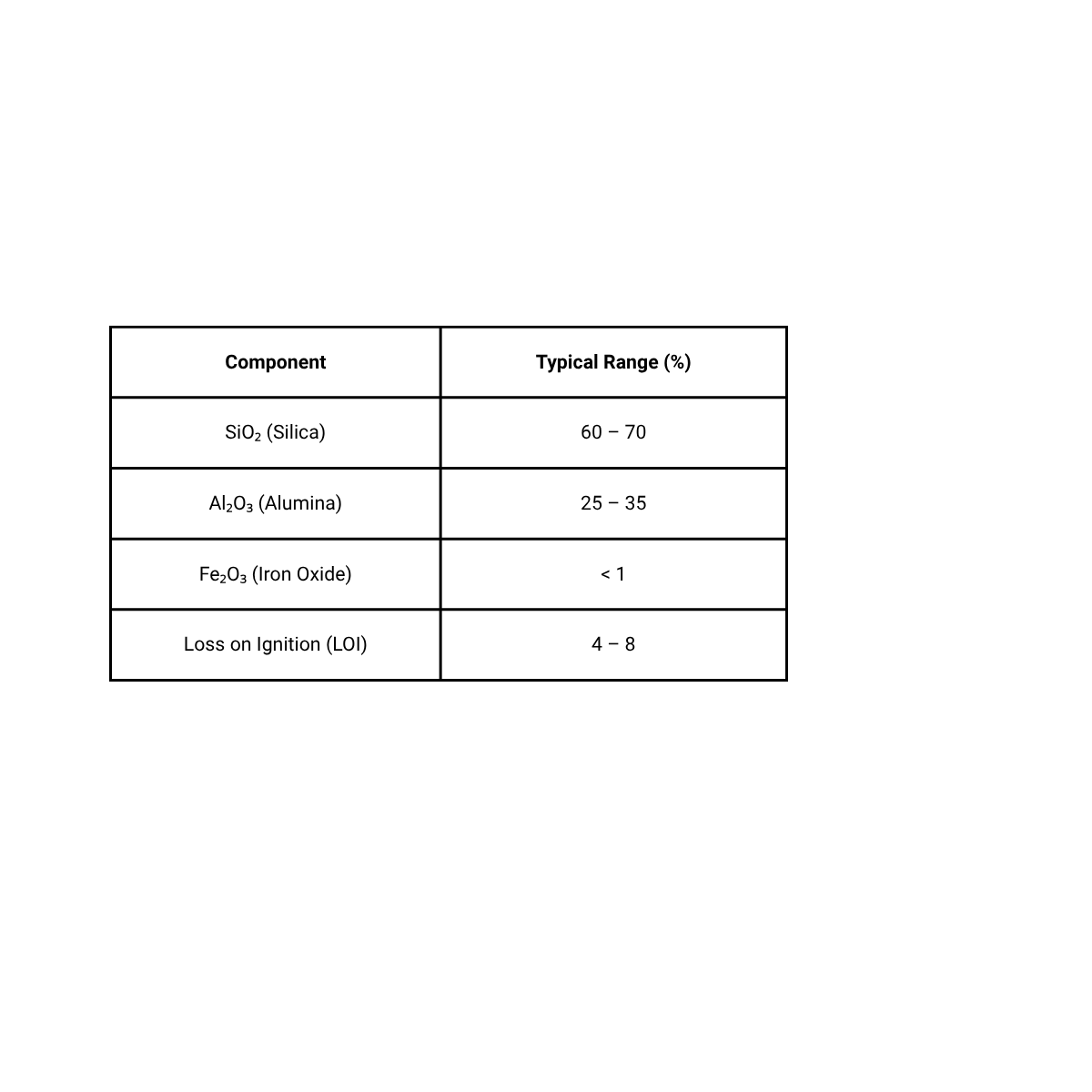
Chemical Composition & Typical Ranges
Key Insight
Low iron content = higher brightness and whiteness
Balanced silica-alumina ratio = thermal strength + mechanical stability
Thermal Behavior & Phase Transformation
One of the most defining characteristics of pyrophyllite is its high-temperature performance.
Thermal Properties
Low thermal expansion
Stable up to high temperatures (~1000°C+)
Excellent resistance to thermal shock
Physical & Functional Properties
1. Particle Characteristics
Fine particle size (available in various micron ranges)
Uniform distribution
Platy structure enhances packing efficiency
2. Surface Properties
Smooth and soft texture
Moderate to high oil absorption
Naturally hydrophobic
3. Mechanical Contribution
Improves tensile strength (in plastics & rubber)
Enhances abrasion resistance
Reduces shrinkage and cracking
Detailed Industrial Applications
1. Paints & Coatings
Pyrophyllite acts as a functional extender pigment.
Benefits:
Improved film integrity and durability
Better anti-cracking and anti-settling properties
Enhanced matte finish and opacity
Improved barrier resistance against moisture and chemicals
Its platy structure creates a tortuous path, reducing permeability.
2. Plastics & Polymers
Widely used in:
PVC pipes & profiles
Masterbatches
Engineering plastics
Performance Gains:
Improved dimensional stability
Enhanced heat distortion resistance
Better surface finish
Reduced formulation cost
3. Ceramics & Tiles
Used in:
Wall & floor tiles
Sanitaryware
Electrical porcelain
Key Contributions:
Reduced firing shrinkage
Improved whiteness and translucency
Better mechanical strength after firing
4. Refractory Applications
Critical in:
Kiln linings
Fire bricks
Casting refractories
Advantages:
High refractoriness
Resistance to slag and chemical attack
Stability under extreme temperatures
5. Rubber Industry
Used as:
Reinforcing filler
Anti-sticking/dusting agent
Benefits:
Improved processing efficiency
Better surface smoothness
Enhanced wear resistance
6. Paper Industry
Acts as a functional filler and coating pigment.
Enhancements:
Improved opacity and brightness
Better ink absorption and printability
Cost reduction vs premium fillers
7. Agriculture & Allied Uses
Carrier for fertilizers and pesticides
Soil conditioner
Benefits:
Improved nutrient distribution
Reduced leaching
Enhanced soil structure
Processing & Customization
Pyrophyllite China Clay Powder can be processed into:
Different mesh sizes (200–800 mesh)
Micronized grades (down to ultra-fine levels)
Surface-treated variants for polymer compatibility
Why Customization Matters
Different industries require:
Specific particle size distribution
Controlled brightness levels
Tailored surface chemistry
Quality Parameters That Drive Performance
When selecting pyrophyllite, critical parameters include:
Whiteness (%) → impacts aesthetics
Particle size (micron/mesh) → affects dispersion & finish
Iron content (Fe₂O₃) → influences color & brightness
Moisture content → affects processing stability
LOI (Loss on Ignition) → indicates thermal behavior
Market Trends & Industry Shift
Increasing demand for multi-functional fillers
Shift toward cost-performance optimization
Rising use in infrastructure and construction materials
Growing focus on natural and sustainable minerals
Pyrophyllite is increasingly positioned as a strategic replacement mineral, not just a filler.
About Kamal Industries
At Kamal Industries, we specialize in manufacturing and supplying high-quality Pyrophyllite China Clay Powder (Opalwhite Grade)tailored to diverse industrial applications.
With a strong focus on:
Consistent quality and controlled specifications
Customized particle sizes and grades
Reliable supply and industry expertise
we aim to deliver materials that not only meet but exceed performance expectations.
Whether you are in paints, plastics, ceramics, rubber, or refractories, our solutions are designed to help you achieve the right balance of performance, efficiency, and cost-effectiveness.
👉 Get in touch with Kamal Industries to explore the right grade for your application.
Conclusion
Pyrophyllite China Clay Powder is no longer just an alternative—it is becoming a preferred industrial mineral due to its:
Balanced chemical composition
Superior thermal performance
Functional versatility
Strong cost advantage
For manufacturers, it represents an opportunity to enhance product quality while optimizing costs, making it a critical material in modern industrial formulations.
Kamal Industries
Office Address: E-446 C, Matsya Industrial Area, Alwar, Rajasthan 301030.
Factory Address:
E-446 C&D, Matsya Industrial Area, Alwar, Rajasthan 301030.
G-288, Matsya Industrial Area, Alwar, Rajasthan 301030.
© 2026. All rights reserved.
Email: kamalindalwar@gmail.com
Contact No: +919351773848